

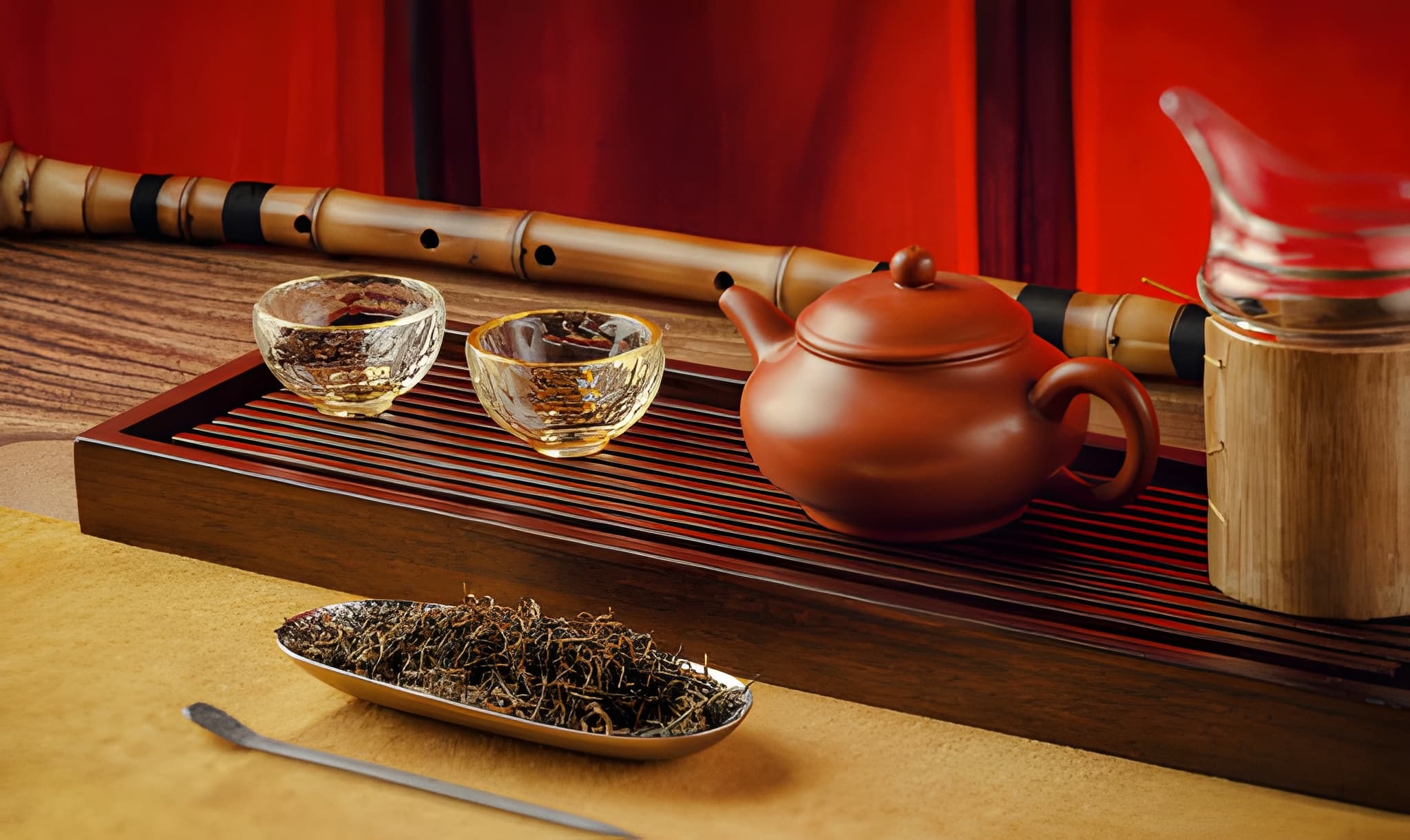
Chinese tea holds a central place in the nation’s history and culture, dating back over 5,000 years. Revered for its diverse varieties, ancient brewing techniques, and health benefits, tea is more than just a drink in China—it’s a symbol of tradition, hospitality, and artistry. With its deep-rooted cultural significance, Chinese tea is celebrated around the world for its ability to bring people together and create moments of calm in a busy life. Whether you are a novice or an expert, understanding the history and culture behind Hey China and its tea traditions will enrich your experience and appreciation of this beloved beverage. From the imperial courts to the humble tea houses, Chinese tea is a drink of both ceremony and daily enjoyment, offering a unique blend of flavors and health benefits.
The Influence of Chinese Tea on Global Markets
The global popularity of Chinese tea has soared over the past few decades. With increasing demand for healthier beverages and natural products, Chinese tea has become an essential part of global tea culture. Countries around the world are embracing Chinese tea not only for its refreshing qualities but also for its medicinal properties. Green tea, particularly, has become synonymous with wellness, thanks to its antioxidant-rich content. The influence of Chinese tea is also evident in the many tea shops, cafes, and even wellness centers that offer authentic Chinese teas. As international consumers seek high-quality tea experiences, the demand for rare varieties like Pu-erh tea and Jasmine tea is increasing. This global reach reflects the deep cultural value of Chinese tea and the growing awareness of its health benefits, contributing to its sustained relevance in the international market.
The Art of Brewing Chinese Tea
Brewing Chinese tea is an art form that requires knowledge, patience, and precision. Unlike other teas, which can be steeped in boiling water, Chinese teas require specific temperatures and steeping times to bring out their best flavors. For instance, green tea should be brewed at a lower temperature (around 170°F) to avoid bitterness, while black tea requires higher heat to fully develop its strong flavor. A gongfu tea ceremony, a traditional Chinese tea-brewing technique, emphasizes skill and precision, where tea is brewed multiple times to release different layers of flavor. Whether you’re using a yixing clay teapot or a simple glass pot, the quality of the tea leaves, the water temperature, and the steeping time all play a significant role in producing the perfect cup. Brewing Chinese tea is not just about following a set of instructions but about engaging with the beverage and appreciating the craftsmanship involved in its preparation.
Health Benefits of Chinese Tea
Chinese tea has long been lauded for its wide range of health benefits. The various types of tea—green, black, oolong, and white—each offer unique properties that can improve overall well-being. Green tea, for example, is rich in catechins, powerful antioxidants that help combat oxidative stress and reduce the risk of heart disease. Oolong tea is known to aid in digestion and weight management, while black tea has been linked to improved heart health and enhanced focus. Additionally, white tea has antiviral properties, helping to support the immune system. In addition to its physical benefits, Chinese tea is also renowned for its ability to promote relaxation and mental clarity. Whether consumed for its health benefits or simply enjoyed as a soothing beverage, Chinese tea is a versatile addition to any wellness routine.
Popular Varieties of Chinese Tea
Chinese tea comes in a variety of flavors, each with its own distinct characteristics. Some of the most popular varieties include:
- Green Tea: Known for its fresh, light taste and high antioxidant content. Popular types include Longjing (Dragon Well) and Bi Luo Chun.
- Black Tea: Fully oxidized, black tea offers a stronger, richer flavor. Famous types include Keemun and Lapsang Souchong.
- Oolong Tea: Semi-oxidized, this tea has a wide range of flavors, from floral to fruity. Well-known varieties include Tie Guan Yin and Da Hong Pao.
- White Tea: The least processed of all Chinese teas, white tea is mild and subtly sweet. The finest examples include Silver Needle and White Peony.
Each variety of Chinese tea is a reflection of the region in which it’s grown and the meticulous processes used to prepare it. Exploring the different varieties allows you to discover a broad spectrum of tastes and aromas, making Chinese tea a truly immersive experience.
The Future of Chinese Tea
As the global demand for Chinese tea continues to rise, there is a growing emphasis on sustainability and quality control within the tea industry. Farmers are adopting more environmentally friendly practices, and modern tea producers are experimenting with new techniques to preserve the traditional art of tea-making while incorporating innovation. The increasing popularity of organic Chinese tea is a testament to consumers’ growing concern for the environmental impact of their food and beverages. Additionally, the rise of digital platforms has allowed tea producers to reach a broader audience, offering consumers the opportunity to buy premium Chinese teas directly from the source. As the global market for tea expands, Chinese tea will continue to play a key role in shaping the future of the tea industry.
How to Incorporate Chinese Tea Into Your Lifestyle
Incorporating Chinese tea into your daily routine is easy and rewarding. Whether you drink it in the morning as a refreshing pick-me-up or enjoy it during the evening to unwind, Chinese tea can be a natural part of your lifestyle. For those seeking mental clarity or a boost of energy, green tea or black tea can provide an invigorating start to the day. Alternatively, oolong tea or white tea can be enjoyed in the afternoon or evening to help calm the mind and promote relaxation. Pairing your tea with light snacks such as fruit, nuts, or pastries can also enhance the experience. If you’re new to Chinese tea, experimenting with different varieties and brewing methods can help you find the one that best suits your tastes. Making tea a regular part of your routine not only improves your health but also offers moments of quiet reflection throughout the day.
The Role of Chinese Tea in Social Gatherings
Chinese tea has long been associated with hospitality and social gatherings. Offering tea to guests is a sign of respect and an integral part of Chinese culture. Tea ceremonies, whether formal or informal, are a way to show appreciation and create a sense of community. In many Chinese homes and tea houses, tea is served as part of daily life and is a symbol of friendship, warmth, and conversation. Whether at a family gathering, a business meeting, or a social event, tea plays a key role in fostering connections and creating a welcoming atmosphere. By embracing the tradition of Chinese tea, you can add a special touch to your gatherings and create lasting memories with friends and family.
Final Words
Chinese tea is more than just a beverage—it’s a cultural treasure that offers a wide range of flavors, health benefits, and rich history. By exploring the varieties of tea, understanding the brewing techniques, and incorporating tea into your lifestyle, you can deepen your appreciation of this ancient tradition. As Hey China continues to inspire tea lovers around the world, there’s never been a better time to dive into the world of Chinese tea and discover its many offerings. Whether for health, flavor, or cultural connection, Chinese tea is a beverage that has something to offer everyone.
