

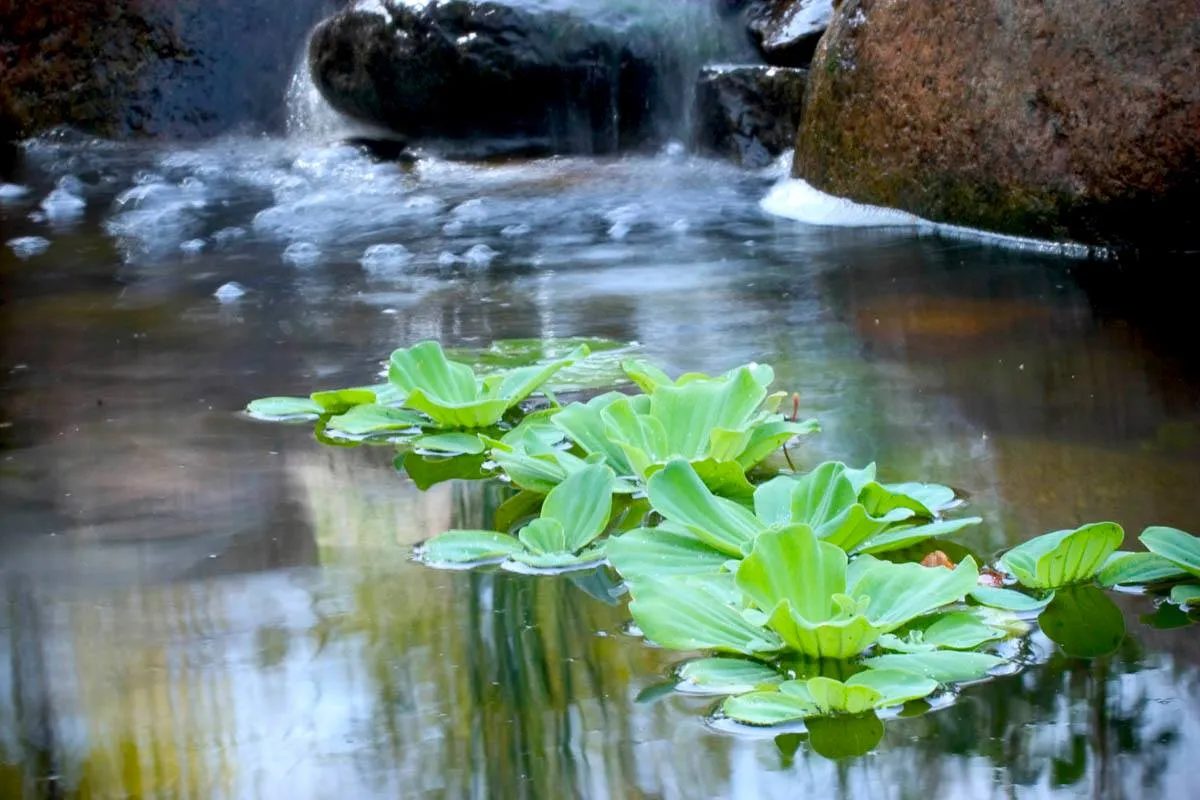
Water lilies are among the most captivating flowers found in ponds, lakes, and quiet waterways. Their delicate blooms floating peacefully on the water create a beautiful contrast between nature’s softness and the mystery of deep, still waters. Beyond their visual appeal, these aquatic plants have fascinating characteristics that make them an important part of many natural ecosystems.
The Beauty of Water Lilies
Water lilies are known for their round, floating leaves and graceful flowers. Their blooms can appear in shades of white, pink, yellow, red, blue, and purple, depending on the species. The flowers often rise slightly above the water, making them easy to notice against the green leaves.
One reason Exploring the Hidden Charm of Water Lilies is so fascinating is that their beauty changes throughout the day. Some varieties open their flowers during the morning and close them later, while others bloom at night. This natural rhythm adds a subtle sense of movement and mystery to an otherwise peaceful landscape.
A Natural Haven for Wildlife
Water lilies are much more than decorative plants. Their broad leaves provide shelter and resting areas for insects, frogs, and other small aquatic creatures. Fish may also find protection among their underwater stems and roots.
The spaces created by water lily leaves can support a variety of organisms, helping contribute to the biodiversity of ponds and wetlands. In this way, these beautiful flowers play a practical role in maintaining healthy aquatic environments.
The Symbolism Behind Water Lilies
Throughout history, water lilies have inspired artists, poets, gardeners, and nature lovers. They are often associated with peace, purity, renewal, and tranquility. Because their flowers emerge from muddy or submerged environments and bloom beautifully above the water, they are sometimes viewed as symbols of transformation and resilience.
Exploring the Hidden Charm of Water Lilies therefore goes beyond appreciating their appearance. Their natural life cycle can also encourage us to notice beauty and renewal in unexpected places.
Where Water Lilies Grow
Water lilies generally thrive in calm or slow-moving freshwater environments. They can be found in ponds, lakes, marshes, and ornamental water gardens. Their roots are anchored beneath the water while their leaves and flowers reach toward the surface.
Different species are adapted to different climates and water conditions. Some prefer warm tropical environments, while others can survive in temperate regions. This adaptability has helped water lilies become familiar features of aquatic landscapes around the world.
The Quiet Magic of Water Lilies
There is something uniquely peaceful about watching water lilies float on a still pond. Their flowers may appear fragile, yet the plants are well adapted to life in an aquatic environment. Beneath the surface, their roots and stems form a hidden structure that supports the leaves and blossoms visible above the water.
This contrast between the visible beauty and the hidden world beneath the surface is what makes Exploring the Hidden Charm of Water Lilies such a rewarding experience for anyone interested in nature.
Appreciating Their Role in Nature
While water lilies are admired for their ornamental value, they should also be appreciated as living parts of aquatic ecosystems. Healthy ponds depend on a balance between plants, animals, microorganisms, sunlight, and water quality.
When observed responsibly in natural settings, water lilies offer an opportunity to connect with nature and understand how seemingly simple plants can contribute to a much larger ecological community.
Conclusion
Water lilies combine elegance, ecological importance, and fascinating natural behavior. From their colorful flowers and floating leaves to their role as shelter for aquatic wildlife, they offer far more than meets the eye.
For nature enthusiasts, photographers, gardeners, and anyone seeking a moment of tranquility, Exploring the Hidden Charm of Water Lilies can reveal a world of beauty beneath the surface. These remarkable flowers remind us that some of nature’s most captivating stories can be found in the quietest places.
