

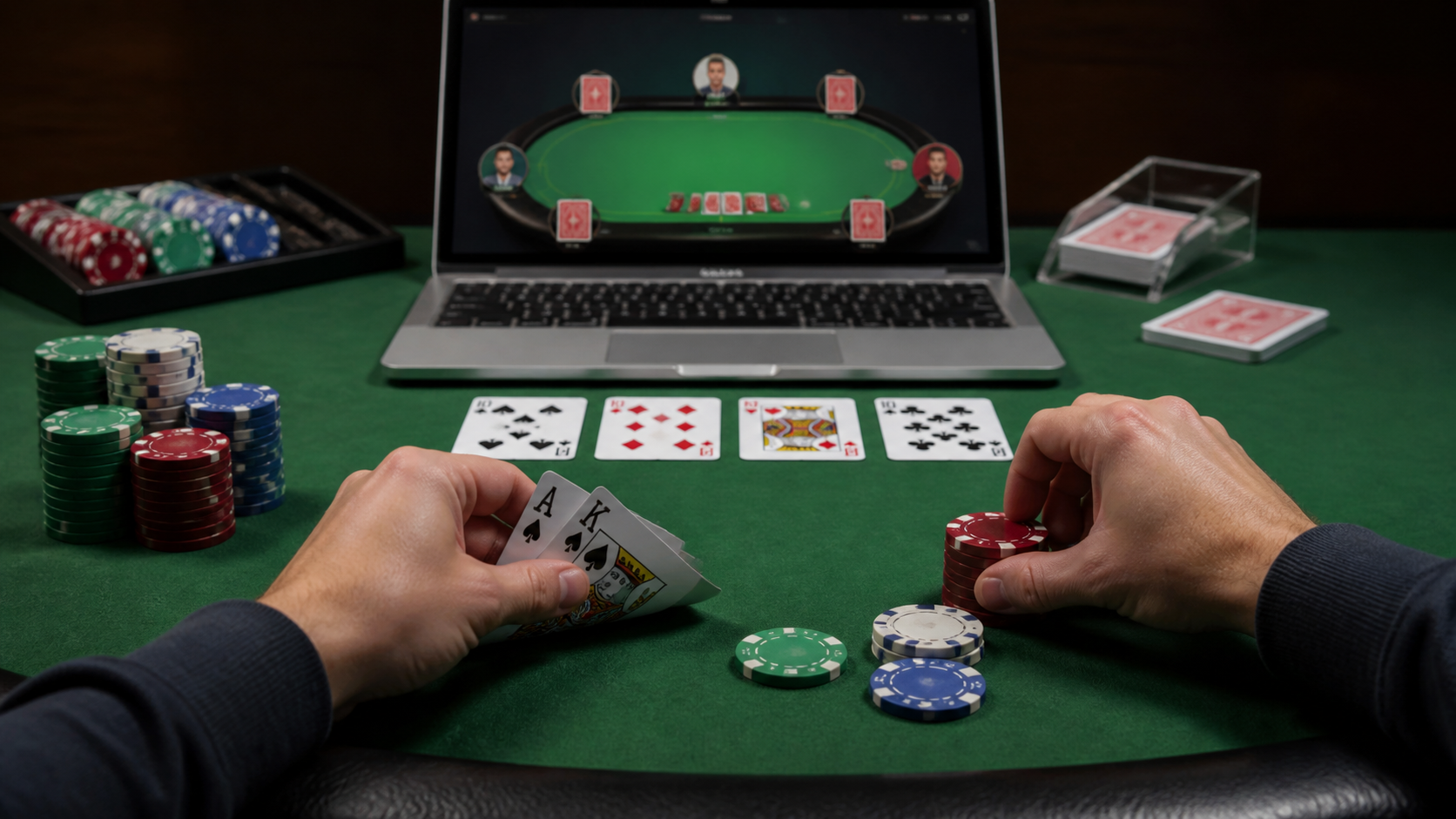
Online poker has become one of the most familiar card games on the internet because it blends skill, patience, and decision-making in a format that is easy to access but still full of nuance. For many players, the appeal is not only the chance to compete, but also the way each table creates a different rhythm. Some games move quickly and reward disciplined aggression, while others favor observation, timing, and careful value betting.
If you are exploring a poker game online, it helps to understand that the experience is shaped by more than the cards themselves. Table selection, game format, bankroll habits, and reading patterns all influence how enjoyable and manageable the game feels. A thoughtful approach usually leads to better decisions than chasing short-term results.
What Makes Online Poker Different From Live Play
At a basic level, the rules of poker remain the same whether you are sitting in a casino or playing from home. The main difference is the pace and presentation. Online tables typically move faster, which means you see more hands in less time. That can be appealing for players who want a steady stream of action, but it also leaves less time to pause and reflect on each decision.
Another important difference is the lack of physical tells. In live poker, players often rely on posture, eye contact, and timing in a way that feels natural at the table. Online, those clues are largely replaced by betting patterns, timing habits, and the choices each player makes across multiple hands. That changes how information is gathered and makes attention to pattern recognition especially valuable.
The online format also offers more flexibility. You can usually choose among different table sizes, stake levels, and game variants without waiting for a seat to open in the same way a physical venue might require. For casual players, that convenience matters. For more serious players, it creates a wider field of choices, which makes discipline even more important.
Choosing the Right Table and Game Format
Not every table suits every style of play. A patient player may feel uncomfortable at a very aggressive table, while a loose player may struggle in a setting where everyone folds too often. Choosing the right environment can have a bigger effect on enjoyment than many newcomers expect.
Before joining, it is useful to think about the structure of the game rather than focusing only on the stakes. Table speed, player tendencies, and whether the format is short-handed or full-ring can all influence how hands develop. A slower table may give you more room to observe, while a faster one demands quicker decisions and stronger preflop discipline.
Cash Games Versus Tournament Play
Cash games and tournaments create very different experiences. In cash games, chips represent direct value and players can usually leave when they choose. That structure encourages a more stable approach to decision-making. It can be especially useful for players who want a straightforward way to practice specific situations without worrying about survival through blind increases.
Tournaments, by contrast, introduce changing pressure as blinds rise and stacks become more important relative to one another. A tournament player often needs to balance survival with the need to accumulate chips. This can lead to more dramatic shifts in strategy over time. Some players prefer that dynamic because it creates clear phases and bigger momentum swings.
Reading Table Dynamics
Good table selection is not only about the format; it is also about the people already seated there. If a table contains several very cautious players, there may be more opportunities to win pots with selective aggression. If the table is crowded with frequent raisers, you may need tighter hand selection and greater patience.
Pay attention to how often players enter pots, how quickly they react, and whether they tend to call too much or fold too often. These patterns are more useful than trying to force a rigid formula. A flexible player usually has a better chance of adapting as the table changes.
Core Strategy Basics That Still Matter
Even with all the tools and interfaces available online, poker still rewards sound fundamentals. Many players lose less because of bad luck than because they make repeated mistakes in position, bet sizing, or emotional control. A simple strategy often works better than an overcomplicated one, especially at lower stakes where opponents may make obvious errors.
Position remains one of the most valuable concepts in the game. Acting later in a hand gives you more information and can make marginal decisions easier. Hands that may be too weak from early position can become more playable later, especially when the action before you has shown weakness.
Bet sizing also matters. Small bets can invite calls from weaker holdings, while larger bets can pressure opponents who are unsure about continuing. The ideal size depends on the situation rather than on a fixed rule. What matters most is that your sizing makes sense in relation to the board, your range, and your intended story.
Equally important is the ability to fold. Many players focus on the excitement of big pots but overlook the value of avoiding small and medium mistakes. Folding a hand that looks tempting at first often protects your stack for better opportunities later. That restraint is part of what separates steady players from impulsive ones.
Managing Bankroll and Game Selection Responsibly
Bankroll management is one of the most practical parts of online poker, yet it is often ignored by beginners. If you are playing with money that is meant to be used for entertainment, the goal should be to make that experience last and stay comfortable. Moving too quickly into higher stakes can create stress and lead to poor choices.
A sensible approach is to choose stakes that allow you to absorb normal swings without feeling pressured to recover losses immediately. Poker contains natural variance, and even good decisions do not produce the same result every time. The point of bankroll management is not to remove variance, but to make it easier to play well through it.
It is also wise to decide in advance how much time and money you want to spend in a session. Clear boundaries help prevent frustration from turning into reactive play. If the game stops being enjoyable or starts to feel rushed, taking a break is often the smarter decision.
- Set a session budget before you start playing.
- Choose stakes that feel comfortable rather than ambitious.
- Avoid chasing losses after a difficult run.
- Leave the table when concentration starts to fade.
- Review hands later instead of reacting emotionally in the moment.
Building Better Habits for Long-Term Improvement
One of the most useful habits in online poker is reviewing your own decisions after the session ends. Players often remember only the biggest pots, but the smaller hands usually reveal more about leaks in strategy. A careful review can show whether you are calling too often, folding too much, or missing value when opponents are willing to pay.
It also helps to narrow your focus. Trying to improve every part of your game at once can create confusion. Instead, work on one area for a while, such as preflop discipline, continuation betting, or recognizing when an opponent is likely to be weak. Small improvements across several sessions can add up to a more stable overall game.
Useful habits to develop include:
- Tracking recurring mistakes after each session.
- Paying attention to how different opponents react to pressure.
- Staying consistent with your starting-hand standards.
- Taking breaks when the pace feels mentally draining.
- Focusing on decisions rather than short-term outcomes.
It is also worth remembering that online poker can feel emotionally intense because hands come quickly and results arrive in rapid succession. Staying calm matters. Players who treat each decision as part of a larger process are more likely to make clear choices than those who measure every hand as a test of personal success.
Conclusion: A Smarter Way to Approach Online Poker
A poker game online offers convenience, variety, and a fast-moving format that can be genuinely engaging when approached with the right mindset. The strongest players are rarely the ones who rely on instinct alone. They are the ones who choose suitable tables, respect position, manage their bankroll carefully, and keep learning from each session.
If you treat online poker as a game of decisions rather than a race for quick results, the experience becomes more thoughtful and more sustainable. That approach does not remove variance, but it gives you a better chance to play with discipline and enjoy the game for what it is: a skill-based contest shaped by judgment, patience, and good habits.
